Higher education
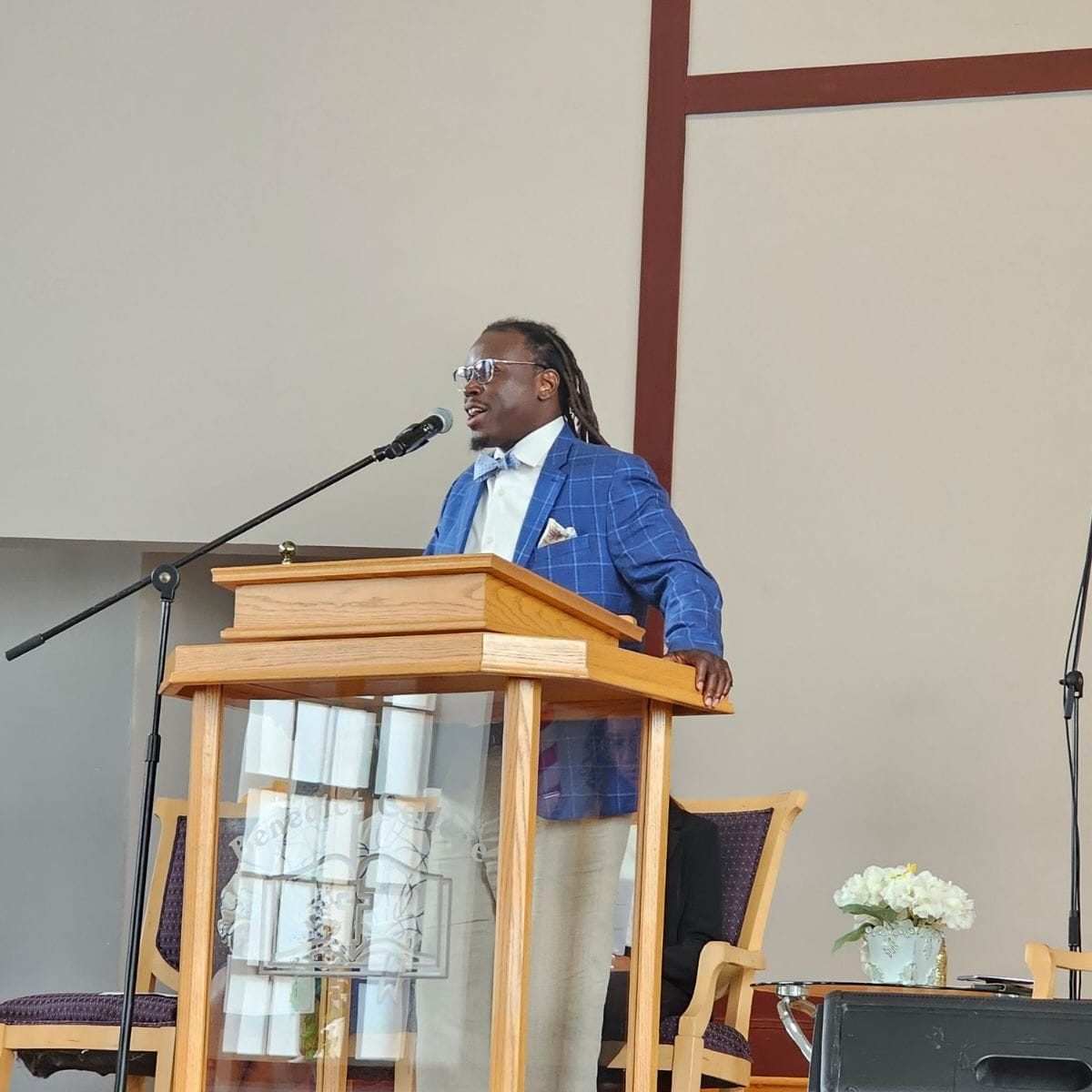
Keynotes, faculty development, facilitated dialogue, and programs for the people who teach, mentor, and run the institution. Dr. Starks has taught at Benedict College, Clemson University, Lynchburg College, and Delaware State University, so he knows the campus from the inside.
What the work addresses
Campuses want students from every background to succeed, and then the success numbers come back broken out by race and gender. Dr. Starks works on what sits between the intention and the numbers: how faculty see the students in front of them, how students see themselves in a discipline, and the culture a department passes on without ever writing it down.
Every program starts with the four constructs, Identity, Culture, Diversity, and Respect, and with the adults in the room doing their own self-reflection first. From there the work turns to the classroom, the mentoring relationship, and the pipeline into the field.
Programs for campuses
Each one starts with the four constructs and is shaped to the people in the room.
-
STEM Access and Innovation
One, three, and five day programsStructured programs that support inclusive STEM environments: inclusive pipelines, stronger student pathways, and institutional strategy. Built for universities, STEM organizations, and research institutes.
In 2021, sessions Dr. Starks led for Wake Technical Community College's START undergraduate research program became a START Ambassador program, in which former research interns were trained in storytelling and sent into math and science classrooms to share their stories.
-
Faculty development
Keynotes paired with dialogueA keynote followed by a facilitated dialogue with faculty and graduate students, the format he used at the University of Connecticut's Department of Molecular and Cell Biology. Participants get uncomfortable to get comfortable, and leave with a shared language for conversations that usually stall.
-
Social Justice Research and Advocacy Hub
Building capacity inside the institutionA program that builds a hub for justice-focused research and advocacy inside a university: faculty workshops, mentoring, grant support, and community partnerships. Dr. Starks was a Research Assistant Professor and Fellow in the Social Justice Research and Advocacy Hub at Clemson University.
-
Student athletes and first-generation students
Keynotes and sessions for studentsFrom Survival to The Messenger, delivered for teams, athletic departments, and student programs. His own path, from seven moves by age 17 to a PhD, connects with students who were not supposed to make it either.
His work on campuses
More than twenty years of faculty appointments, campus programs, and invited talks.
Teaching and campus roles
- 2023 to 2024Benedict College
Assistant Professor, Criminal Justice Administration Department.
- 2019 to 2022Clemson University
Adjunct Professor in the Department of Sociology, Anthropology, and Criminal Justice, then Research Assistant Professor and Fellow in the Social Justice Research and Advocacy Hub.
- 2014 to 2016Lynchburg College (now the University of Lynchburg)
Assistant Professor, Criminology and Human Services.
- 2012 to 2014Delaware State University
Assistant Professor, Sociology and Criminal Justice.
- 2008 to 2009University of Delaware
Founded the Minority Mentor Lecture Series as a PhD student. The university still hosts it, now as the Critical Perspectives Lecture Mentor Series.
- 2001 to 2005Benedict College
Instructor and internship coordinator, advising more than 75 criminal justice majors each year.
Talks and campus programs
- April 2024University of Connecticut, Department of Molecular and Cell Biology
Keynote and facilitated dialogue with graduate students and faculty: "Diversity within and Beyond the University of Connecticut."
- October 2021Wake Technical Community College
Sessions for the START (STEM Academic Research and Training) program, which led to the START Ambassador program.
- March 2021Concordia University, Montreal
"How to Navigate Implicit Bias on the University Level."
- April 2019Wesley College
Scholars Day keynote, "Preparing Scholars for a Purposeful Journey on the Next Phase of Life."
- April 2019Greenville Technical College
Keynote for the African American Male Leadership Institute's Award Summit, "Black Men: Valuing our Past as We Prepare for our Future."
- February 2017Wofford College and the University of Delaware
"Building a Diverse and Inclusive College in the 21st Century" at Wofford, and "Building a Diverse and Inclusive University in the 21st Century" at the Delaware Space Grant Colloquium.
- June 2016Central Virginia Community College
Alliance for Excellence keynote.
Organizations he has worked with



- Clemson University
- University of Delaware
- Delaware State University
- Benedict College
- University of Connecticut
- Wofford College
- Concordia University, Montreal
- University of Lynchburg (formerly Lynchburg College)
- Greenville Technical College
His work with these organizations includes consulting, speaking, training, academic and staff positions, leadership roles, research collaborations, and community service. A name on this list is not an endorsement.
From faculty and program leaders
"Based on conversations you lead, we were able to implement a START (STEM Academic Research & Training) Ambassador program. ... We plan to install the ambassador portion as the permanent part of our program."
"As an instructor, one sees firsthand student success statistics by race and gender in the classroom, and it was transformative to understand that our students are the very real people behind these numbers."
"Dr. Starks has been gracious enough over the past several years to speak and consult with our football team. He has a great story, one that really connected with our student athletes."
How campuses work with him
-
Keynotes
Convocations, institutes, conferencesThe way he has spoken for AAC&U's STEM institutes and conferences, shaped to your audience.
-
Faculty development and dialogue
Workshops and facilitated conversationsFor departments, colleges, and programs that want the conversation to continue after the keynote.
-
STEM programs
One, three, and five day programsRecruitment, retention, and mentoring in the sciences, built on his work with Space Grant and the NSF-funded ALL-ABOARD initiative.
-
Advising for academic leaders
Deans, provosts, program directorsOne on one or with a leadership team, for leaders building inclusive pipelines and the culture to hold them.
One Framework, applied to campuses
Every engagement is built on the Be The Messenger Framework: four constructs, and the Messenger Method that runs underneath them. The Framework stays the same from one field to the next. What changes is how it is applied to the specific challenges, culture, professional responsibilities, and institutional conditions of the people in the room.
- IdentityWho you are
- CultureWhere you come from
- DiversityWhat connects us
- RespectHow you show up
The Messenger Method: Self-Reflection, Self-Awareness, and Self-Consciousness.
Request a program for your campus
Tell us who the program is for, how many days you have, and when. We will come back with a shape for the program.
- Your request goes to Dr. Starks' office.
- We reply with availability and set up a short call to shape the engagement.
- You get a proposal, a W-9, and anything else your procurement office needs.
Rather talk first? Book a training consultation or a keynote and speaking call.
Prefer email or phone? info@brianchadstarks.com or 434-329-9002.